


Understanding the cost of charging an EV is key to saving money and planning smarter. At Vehicle Solutions Australia, we provide expert guidance on EV ownership, novated leases, and car allowances to help you cut costs. Explore our homepage to learn more about EV benefits, tools like our Novated Lease Calculator, and resources designed to make owning or leasing your next vehicle simple and affordable.
What Determines the Cost of Charging an EV?
The cost of charging an EV depends on several key factors. Understanding these will help you manage expenses and make smarter decisions about when and where to charge.
Charging Location
Home charging is usually the cheapest option, with rates around $0.25 to $0.45 per kWh. Public charging stations, especially fast DC chargers, can cost more, between $0.30 and $0.60 per kWh.
Electricity Rates
Your electricity provider and state rates play a major role in charging costs. Time-of-use pricing means charging at night or during off-peak hours can save you money.
Charging Speed
Slow AC charging tends to be more cost-effective, while rapid DC charging offers convenience but at a higher price per kWh. Choosing the right speed depends on your daily driving needs.
Vehicle and Ownership Costs
The size of your EV’s battery and how you manage your overall car budget will influence long-term expenses. Many drivers consider salary packaging or allowances to offset costs. For a detailed look at how allowances can help, explore our car allowance Australia guide to see how this option can make EV ownership more affordable.
Cost of Charging an EV at Home
Home charging is the most cost-effective way to power your electric vehicle. On average, electricity at home costs between $0.25 and $0.45 per kWh. For many drivers, this means it only takes about $5 to $7 to travel 100 km. Compared to petrol, this is a significant saving over time.
Why Home Charging is Cheaper
At home, you pay your standard electricity rates, which are usually lower than public charging fees. Many households also take advantage of off-peak tariffs, charging overnight when rates drop even further. If you have solar panels, charging during the day can reduce costs even more, sometimes close to zero.
Budgeting for EV Ownership
While home charging is affordable, your overall vehicle costs depend on more than electricity. Finance options such as an EV Novated Lease can make ownership even cheaper. A novated lease allows you to bundle your EV’s running costs, including charging, into pre-tax payments. This not only lowers your taxable income but also makes budgeting much easier.
Cost of Charging an EV at Public Stations
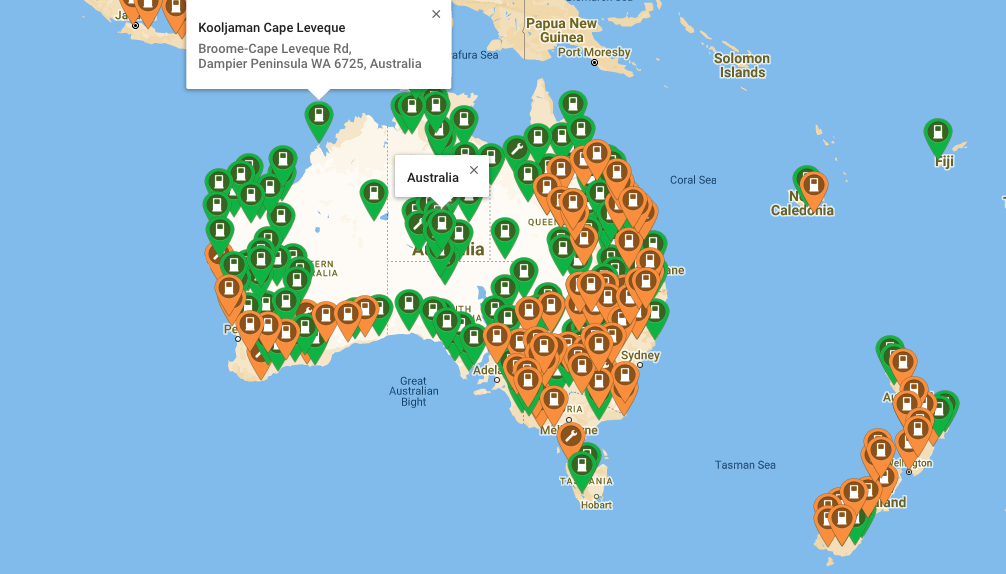
Public charging stations are convenient, especially when you’re traveling or need a quick top-up. However, they usually cost more than home charging. In Australia, public charging rates often range between $0.30 and $0.60 per kWh. Some networks may also charge a flat connection fee in addition to the per kWh rate.
AC vs. DC Charging
Not all public chargers are the same. AC chargers are slower and usually more affordable, while DC fast chargers deliver power quickly but at a premium price. For example, a DC fast charge can get you back on the road in under 30 minutes, but you may pay closer to the higher end of the price range.
Free and Low-Cost Options
Some locations, such as shopping centers or workplaces, offer free or discounted EV charging as an incentive. These stations are usually slower AC chargers, but they are useful if you can leave your car plugged in while you shop or work.
Cost Example
If your EV uses around 15 kWh per 100 km, charging at $0.60 per kWh could cost about $9 to drive 100 km. That’s still cheaper than petrol for most vehicles, but higher than charging at home.
When to Use Public Charging
Public charging is best when you:
- Travel long distances.
- Need a quick top-up during a busy day.
- Do not have home charging access.
While convenient, it’s smart to rely on public charging only when needed, and use home charging for everyday driving to keep costs low.
Ways to Reduce the Cost of Charging an EV
Owning an electric vehicle already saves money compared to petrol, but there are smart ways to cut charging costs even further. Here are some practical strategies every EV driver can use.
Use Off-Peak Electricity
Many electricity providers offer lower rates during off-peak hours, usually at night. Scheduling your EV to charge during these times can significantly reduce costs. Some smart chargers even allow you to automate charging so you never miss those cheaper hours.
Install Solar Panels
Charging your EV directly from solar power can make driving almost free. If your home already has solar panels, you can use excess daytime energy to power your car instead of sending it back to the grid. Over time, this can save thousands of dollars.
Compare Electricity Plans
Not all electricity plans are equal. Take time to compare providers in your state. Many offer EV-friendly tariffs with discounted rates for overnight charging. Switching plans can lead to big savings.
Use Slower Charging Options
Fast charging is convenient, but it costs more. When you don’t need a quick boost, stick to slower AC charging at home or at public stations. It’s cheaper and better for battery health.
Consider a Novated Lease
For even bigger savings, many drivers choose a financing option that helps cover EV costs. An EV Novated Lease can bundle your car’s charging, running costs, and maintenance into one pre-tax payment. This reduces your taxable income and makes budgeting for your EV much easier.
Cost of Charging an EV vs. Petrol Cars
One of the biggest advantages of electric vehicles is the difference in running costs compared to petrol cars. While petrol prices continue to rise, EV owners enjoy more stable and predictable charging expenses.
Comparing Costs per 100 km
A typical petrol car might use around 8 liters of fuel per 100 km. At $2 per liter, that’s about $16 to travel 100 km. In comparison, an EV using 15 kWh per 100 km at a home charging rate of $0.30 per kWh costs only $4.50 for the same distance. Even when using a public fast charger at $0.60 per kWh, the cost is about $9 per 100 km, still cheaper than petrol.
Annual Savings Example
For drivers who cover 15,000 km per year, the savings add up quickly:
- Petrol car: Around $2,400 annually.
- EV (home charging): Around $675 annually.
- EV (public fast charging mix): Around $1,350 annually.
This shows that EV owners can save over $1,000 a year, depending on charging habits.
More Than Just Fuel Savings
The benefits go beyond fuel. EVs also have fewer moving parts, which means lower servicing and maintenance costs compared to petrol cars. This further increases the financial advantage over time.
For more detailed comparisons and up-to-date resources on electric vehicle costs and benefits, you can visit the Australian Electric Vehicle Association.
Future of EV Charging Costs in Australia
The future of EV charging costs in Australia looks promising as more infrastructure is built and renewable energy becomes more widespread. While prices today vary between home and public charging, several trends are likely to shape the future.
Growth of Public Charging Networks
With more Australians adopting EVs, governments and private companies are rapidly expanding charging networks. This growth should increase competition among providers, which may help keep prices stable or even lower them in the long term.
Influence of Renewable Energy
As more households install solar panels and Australia invests in renewable power, the cost of generating electricity is expected to drop. This could make EV charging even cheaper for drivers who use home solar or green energy tariffs.
Smart Charging and Technology
Advancements in smart chargers and energy management systems will allow EV owners to take advantage of the lowest-cost times to charge. For example, some apps can automatically schedule charging during the cheapest off-peak hours, maximizing savings.
Long-Term Affordability
Even if electricity prices rise in some regions, EVs will likely remain cheaper to run than petrol cars. As technology advances and networks expand, the overall cost of charging is expected to remain competitive.
For drivers looking to stay ahead, platforms like PlugShare make it easy to find charging stations, compare prices, and plan routes. These tools will play a key role in helping EV owners manage costs in the years ahead. If you’d like expert guidance on EV ownership, leasing, or charging solutions, feel free to contact us today.


